Irritating, Uncomfortable Eyes
We use our eyes all day long, but we rarely think of them unless they’re uncomfortable—and then they’re all we think about. Adults might turn to redness-relieving eye drops, while kids often rub their eyes. But neither strategy tackles the true cause of tired, scratchy eyes.
Dry eye is a chronic, common, and uncomfortable condition impacting around 6 million Canadians. Not only is it irritating, but it can really put a damper on your daily activities. Dry eyes can decrease your quality of life and lower productivity.
But relief is available! Book an appointment today for a comprehensive eye exam to diagnose your dry eye. If left untreated, dry eye can lead to long-term infections and eye damage down the road. Anytime your eyes are uncomfortable, it’s best to pay us a visit and rule out more worrisome conditions.
Request Appointment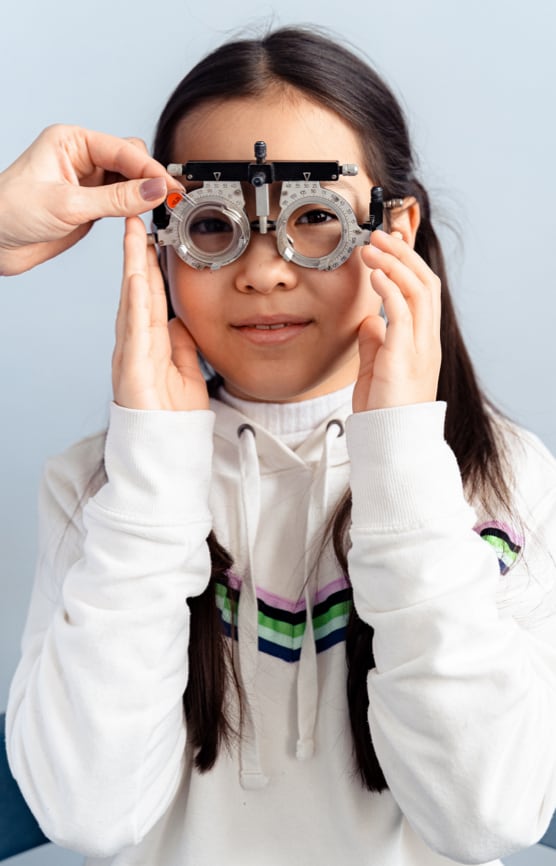
Symptoms of Dry Eye
Dry eye symptoms generally occur in both eyes at the same time and can include:
- Stinging or burning
- Gritty or scratchy feeling
- Foreign body sensation
- Red or watery eyes
- Blurry vision
- Sensitivity to light
- Eye fatigue
- Stringy mucus in or around your eyes
- Discomfort when wearing contacts
If you are experiencing any of these symptoms, book your appointment to explore dry eye treatment options today.
What Is Dry Eye?
Dry is exactly what it sounds like—it occurs when your eyes aren’t producing enough lubrication to keep them moist and comfortable.
There are 2 main types of dry eye. The first—and least common—occurs when the eyes simply don’t produce enough tears. The second occurs when the tears are of poor quality.
Decreased Tear Production
Reasons for decreased tear production are varied and might include:
- Contact lens wear
- Normal aging
- Medications such as antihistamines or antidepressants
- Medical conditions such as lupus, rheumatoid arthritis, or Sjögren’s Syndrome
- Recent laser vision correction surgery
Poor Quality Tears
Good-quality tears depend on a balanced and effective tear film. The tear film is made up of 3 layers—a mucus layer to spread the tears over the surface of the eye, a water layer to hydrate the eye, and an oil layer to keep the water from evaporating too quickly. If there’s an imbalance in the tear film, dry eye can result.
The tiny glands along the top and bottom edges of the eyelids, called the meibomian glands, are responsible for producing the oil layer of your tear film. Blockages in these glands can cause a reduction in the amount of oil produced, leading to dry eyes.
When we diagnose your dry eye, we’ll also look at the condition of your meibomian glands and recommend treatment options if they’re not functioning properly.
Finding Relief From Dry Eye
No matter the cause of your dry eye, relief is available. We offer customized treatment options tailored to your unique needs. Start on the path to clear, comfortable vision today!
Request AppointmentVisit Our Location
Find us on the corner of Douglas and Alpha, just north of the Mayfair Shopping Centre.

Our Address
- 3196 Douglas Street
- Victoria, BC V8Z 3K6
Contact Information
- Phone: 250-361-4444
- Fax: 250-361-4424
- Email: [email protected]
Our Hours
Hours
- Monday: 9:00 AM – 5:00 PM
- Tuesday: 9:00 AM – 5:00 PM
- Wednesday: 9:00 AM – 5:00 PM
- Thursday: 9:00 AM – 6:00 PM
- Friday: 9:00 AM – 5:00 PM
- Saturday: 10:00 AM – 3:00 PM
- Sunday: Closed



Our Brands






Our Google Reviews
Our Blogs
Ask the Doctor: Why You Still Need Eye Exams After Laser Surgery
Ask the Doctor, Laser Eye SurgeryQuestion I was moderately nearsighted but had successful laser surgery and am super happy about not needing glasses anymore. My wife insists I should still have regular eye exams just like before. Do I really need that, when my distance vision is now perfect? Answer First of all, I am delighted to hear you had […]
Ask the Doctor: Can My Child Inherit Myopia?
Ask the Doctor, Eye CareQuestion I am very nearsighted and so is my partner. Is our child destined to be nearsighted too? She is 7 years old and doesn’t wear glasses yet. Answer I get this question fairly often, usually from patients who are squinting at the eye chart themselves while they ask it. Let me put your mind […]
Ask the Doctor: Should I Get an Annual Eye Exam?
Ask the Doctor, Eye ExamsQuestion I got an email from my optometrist that I am due for my annual eye exam, butI don’t feel like my prescription has changed since the last time. Should I still go? Answer When you sit in the exam chair, we are looking at much more than a vision prescription. Clear sight is vital, […]
Ask the Doctor: Why You Still Need Eye Exams After Laser Surgery
Question I was moderately nearsighted but had successful laser surgery and am super happy about not needing glasses anymore. My wife insists I should still have regular eye exams just like before. Do I really need that, when my distance vision is now perfect? Answer First of all, I am delighted to hear you had […]
Ask the Doctor: Can My Child Inherit Myopia?
Question I am very nearsighted and so is my partner. Is our child destined to be nearsighted too? She is 7 years old and doesn’t wear glasses yet. Answer I get this question fairly often, usually from patients who are squinting at the eye chart themselves while they ask it. Let me put your mind […]
Ask the Doctor: Should I Get an Annual Eye Exam?
Question I got an email from my optometrist that I am due for my annual eye exam, butI don’t feel like my prescription has changed since the last time. Should I still go? Answer When you sit in the exam chair, we are looking at much more than a vision prescription. Clear sight is vital, […]
Land Acknowledgement
We respect and acknowledge the lək̓ʷəŋən People, a subset of the Coast Salish, also known today as the Esquimalt and Songhees Nations, on whose territory we do our work. Our clinic recognizes the colonization, attitudes, and systems that have been put in place that have drastically altered Indigenous Peoples relationship with the land.
We as a team recognize the importance of educating ourselves on the systemic oppression of settler generations that has greatly changed the lives of Indigenous Peoples. We place the utmost importance on reconciliation and will continue to aid in this effort however we can.


-
Mayfair Optometric Clinic
- 3196 Douglas Street
- Victoria, BC V8Z 3K6
-
P: 250-361-4444
[email protected]